
feature / alumni / photography-and-imaging
April 16, 2026
By Hunter Drohojowska-Philp
AFTER IMAGE
Photographer and Alumnus Matthew Rolston’s Latest Fine Art Series Vanitas: The Palermo Portraits, Which Debuted at ArtCenter, Drew Inspiration From One of His First Experiences at the College
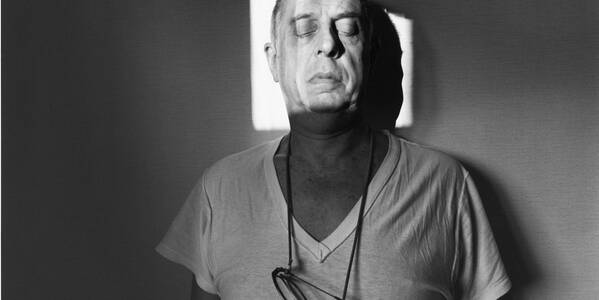
If an artist wants to consider mortality, there is nearly infinite precedent. Portrait photographer and ArtCenter alumnus Matthew Rolston (DHL 06) discovered his own.
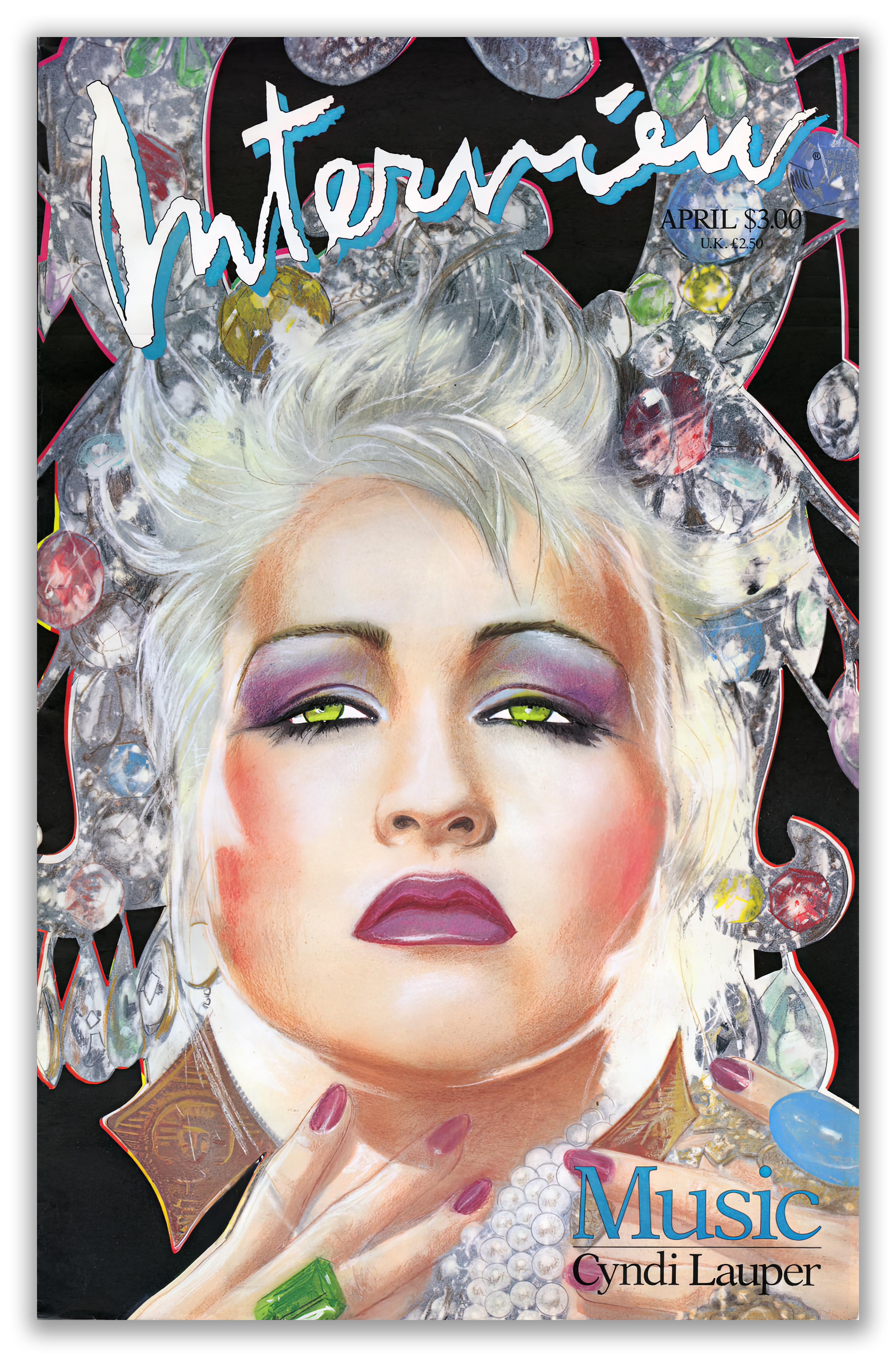
Rolston had spent a lifetime denying mortality, or at least its appearance. For the celebrated and the gifted who came before his camera, he began to realize that his signature of outsize glamour and beauty — an eternal life on film — was in fact a denial of death. Inspired by the undisputed master of glamour photography George Hurrell’s use of light and shadow in portraits of golden age Hollywood stars like Joan Crawford, images he first saw on the walls of his ‘doctor-to-the-stars’ grandfather’s Beverly Hills office, Rolston later brought his own drama and glamour to figures like Madonna, Michael Jackson and Cyndi Lauper. Andy Warhol was among the first to encourage Rolston with commissions for his Interview magazine.
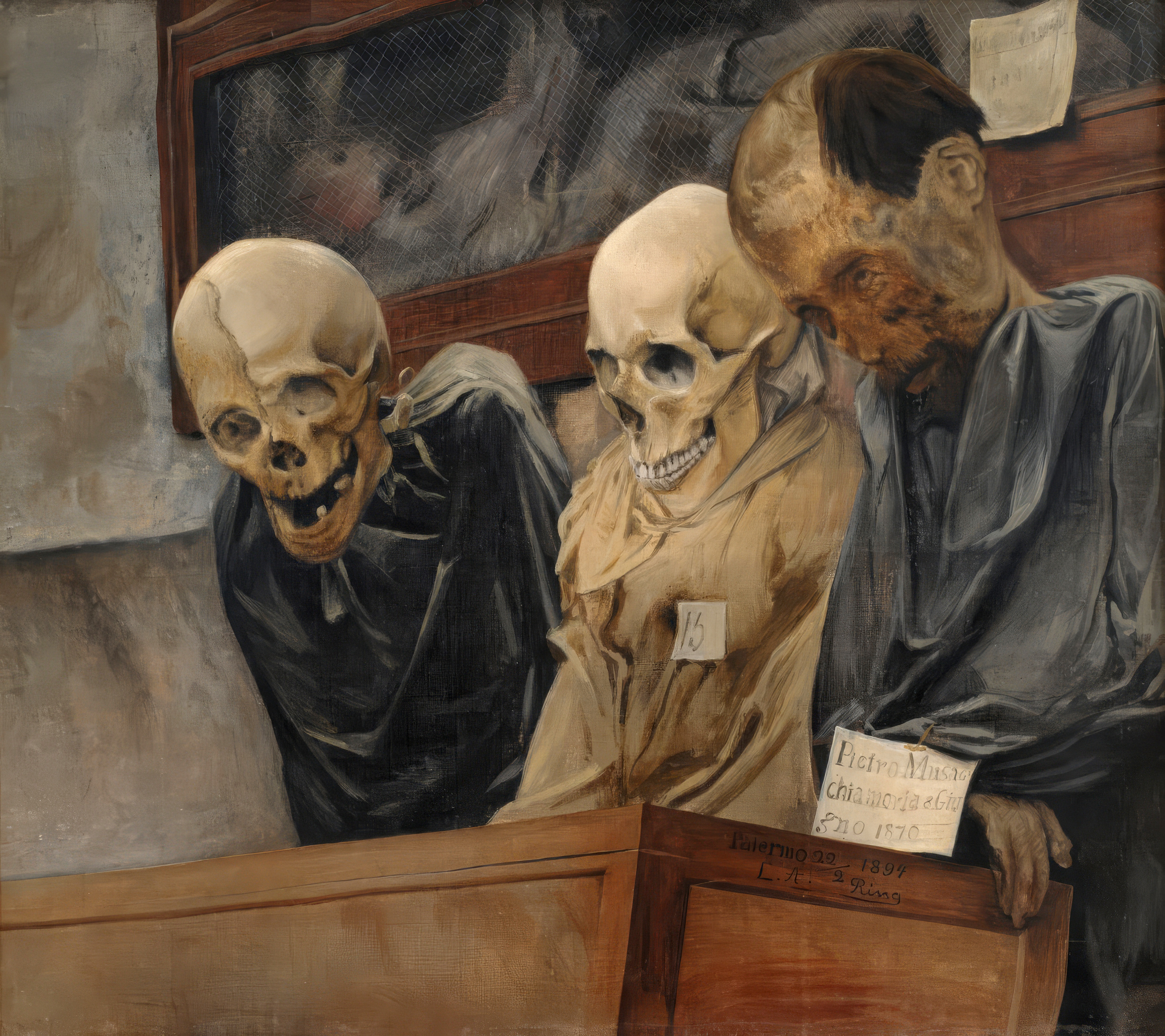
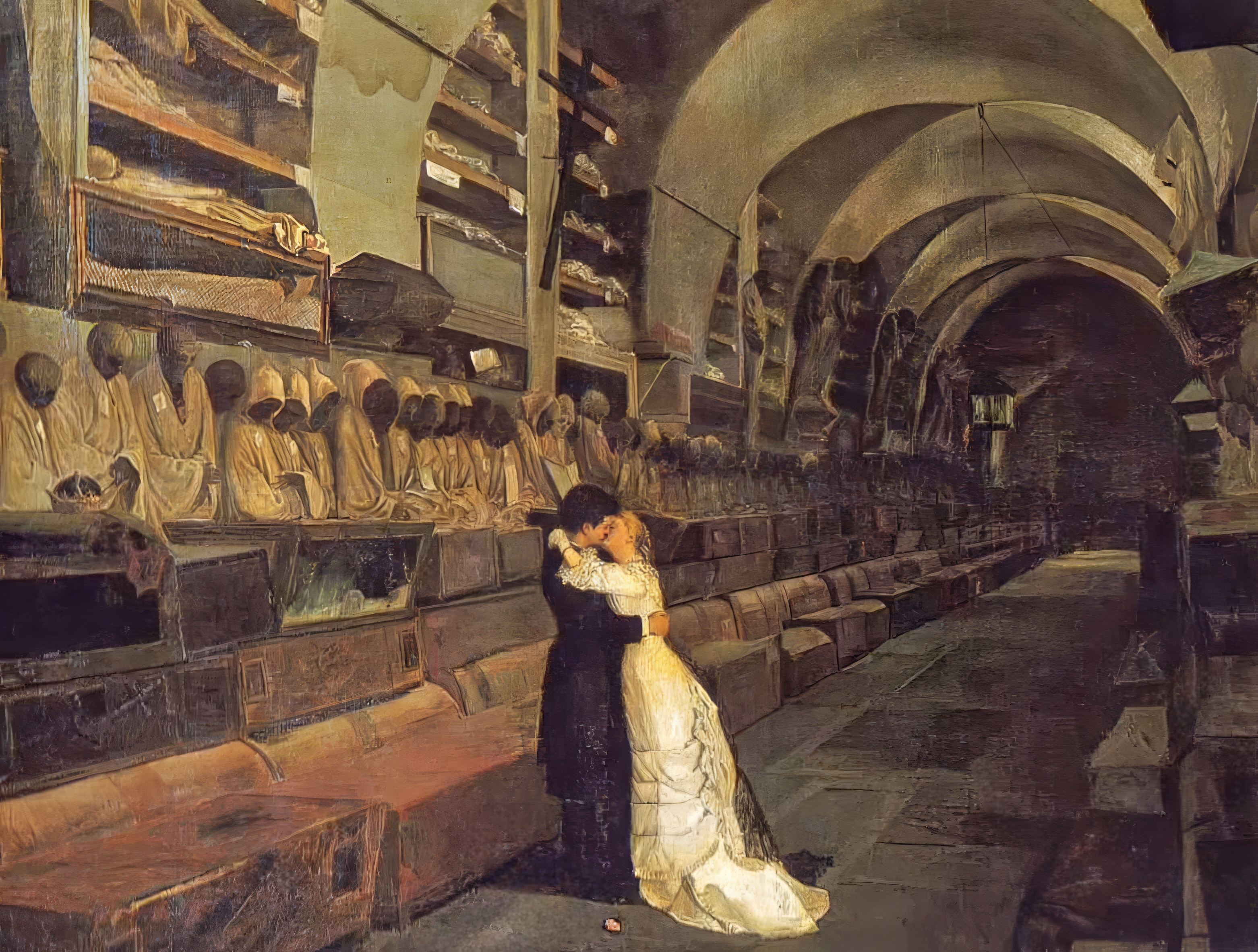
After four decades of indisputable success, Rolston began researching other approaches to immortality. This was the journey, both metaphorical and actual, that led him to a crypt full of mummies in Sicily.
"Remember, friends, as you pass by,
As you are now so once was I.
As I am now, so you must be.
Prepare yourself to follow me."
Versions of this memento mori epitaph are commonly found in cemeteries and crypts including the 17th century Capuchin Catacombs of Palermo, Sicily, beneath the Church of Santa Maria della Pace.
Rolston had been researching locations for such a project and was drawn to the monastery where, since the 17th century, prosperous members of the upper classes sought to be interred among the humble frati. Men, women and children were entombed upright in their best clothing, poised for a grand entrance into heaven. Even in death, style and status had a role in Sicilian culture, which intrigued and bemused Rolston after spending much of his career documenting similar concerns among the living.
Rolston spent many years searching for the ideal location for his thanatopic series before his 2013 commitment to Palermo. Far from the neutrality of a documentary approach, the photographs are dramatically staged; Rolston sought to capture the passion of the believers. While his images may be disturbing, they are not cynical. Rolston is not satirizing the preoccupations of the past but instead presenting what were, to the occupants of the crypt, markers of sincere devotion.
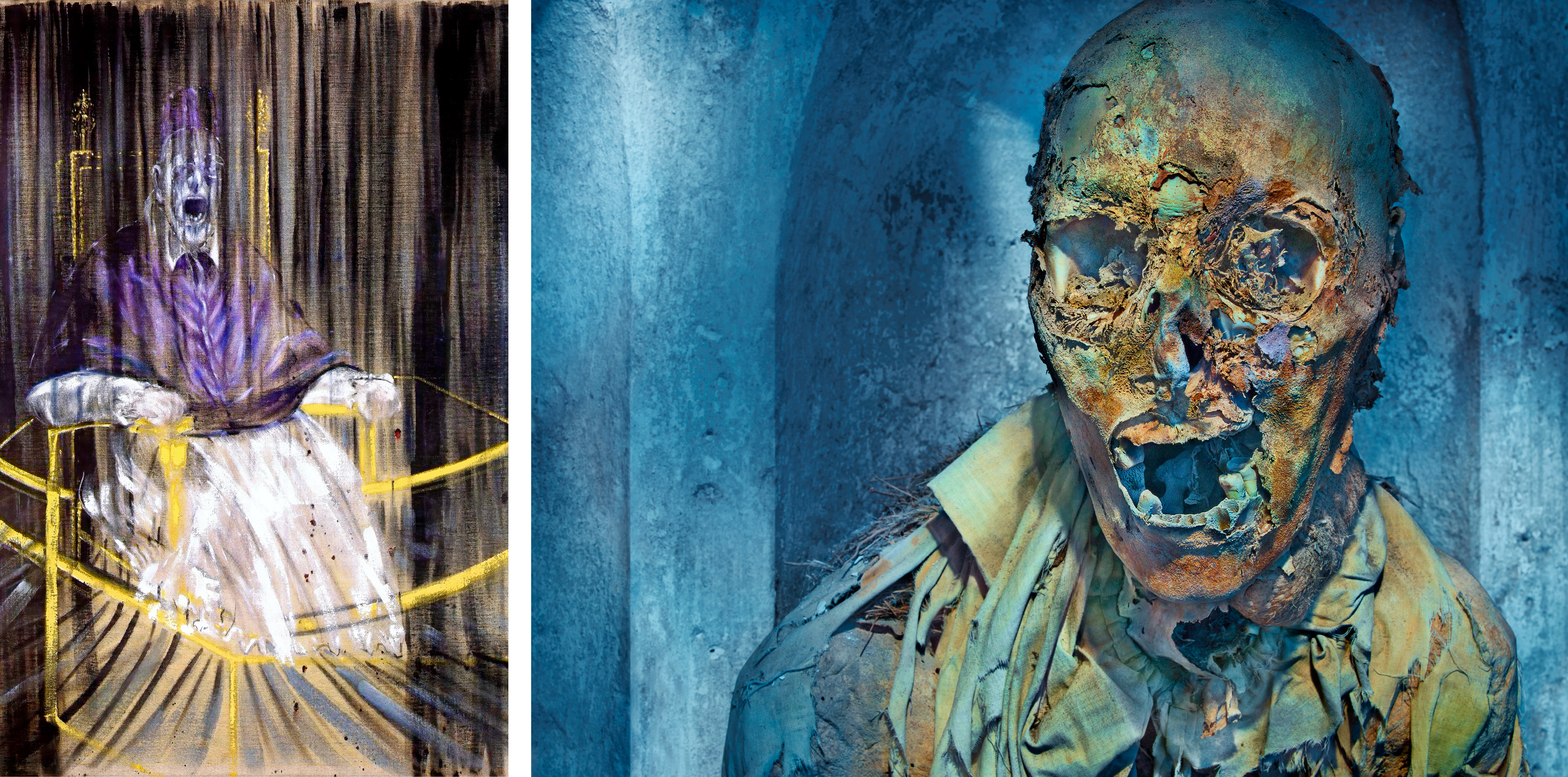
With an artist’s eye, his attention to detail spared nothing. Mummified flesh had rotted away to reveal bones; teeth and scraps of hair remained, lending a bizarre sense of personality to the figures. A head may tilt at a jaunty angle. Some faces appear to smile warmly or grimace in pain as their flesh gives way to the processes of gravity and decay. A man’s silken necktie askew or a woman’s elaborate dress and flowery bonnet are cues to the people they once were. Some are darkly droll, even absurd. The thin wires that support them upright in their niches are troubling.
I used what I call an expressionistic lighting technique, a combining of three separate wavelengths to create a ‘painterly’ effect.
Matthew Rolston
Photographer, alumnus
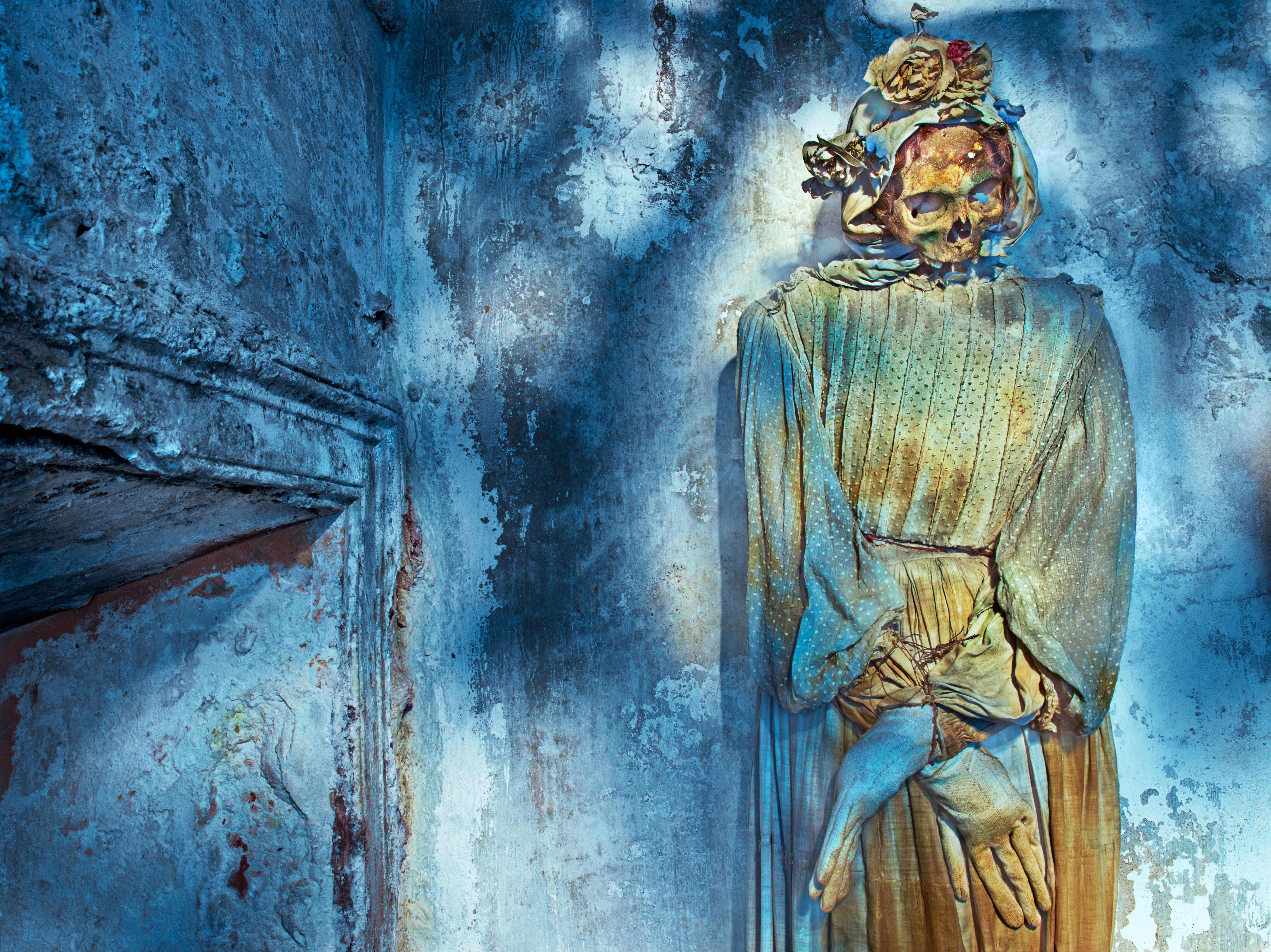
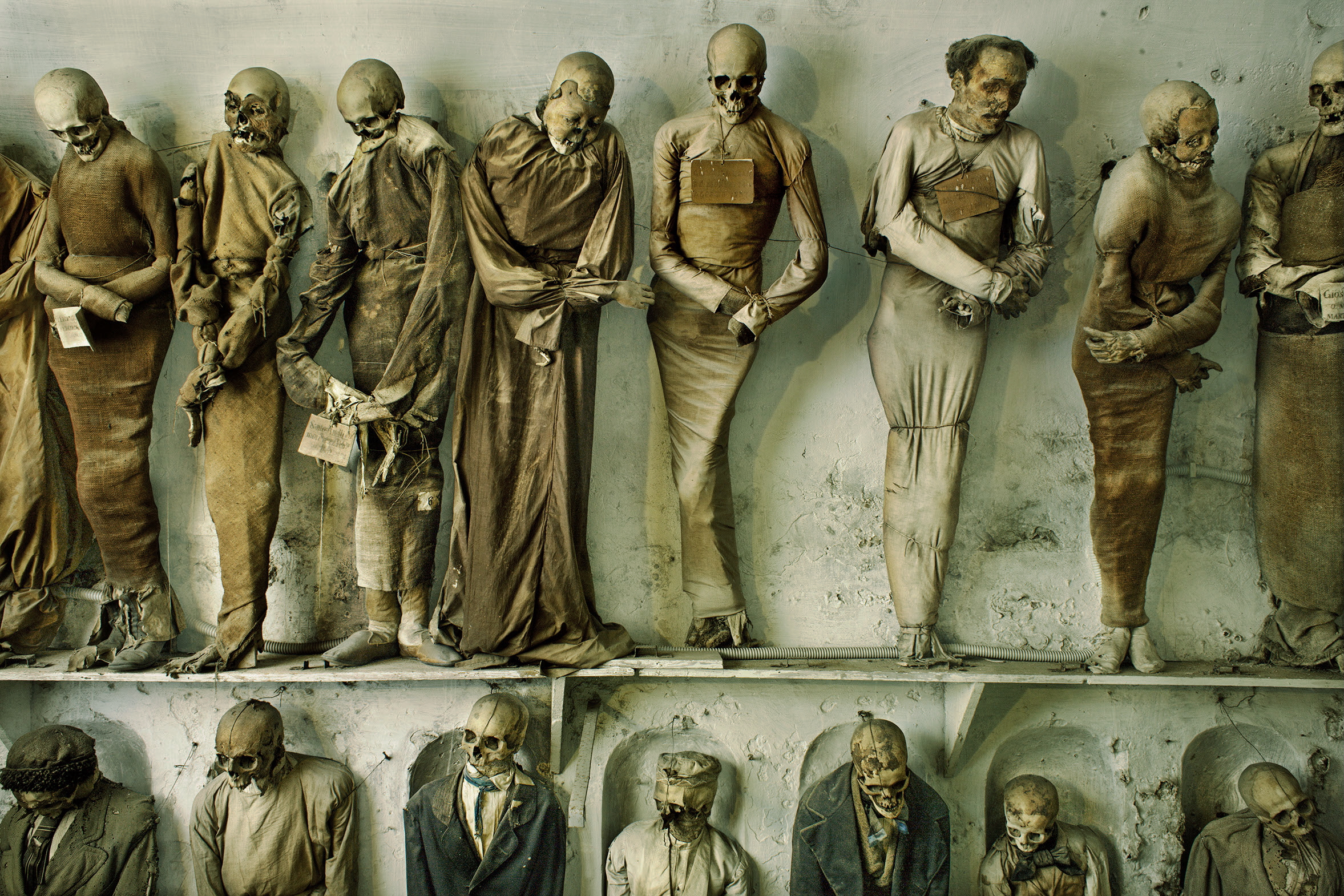
It is not a lovely scene in any traditional sense. The depressing, even distressing atmosphere of lime-washed stone alcoves bearing the remains of dusty bodies is a grim canvas. But Rolston thoroughly replaced the fluorescent-lit monochrome vista that greets any visitor or tourist. He devised his own method of bringing specific tonal effects, inspired by ideas of the celestial appeal of the afterlife.
“I used what I call an expressionistic lighting technique, a combining of three separate wavelengths to create a ‘painterly’ effect,” he says. The result was a spectrum of blue tones, sickly greens, deep violets and dark magentas: a bruise-like palette, suggesting a pulse of life beneath the surface of decay. Beyond the color’s devotional relevance to Catholic iconography, the cyan-bluish glow cast by Rolston’s lighting on the cracking walls of the crypt was also inspired by his discovery of a neon halo behind a statue of the Virgin Mary in a cave chapel—the Sanctuary of Santa Rosalia (Palermo’s patron saint)—on Monte Pellegrino, another Palermo site associated with death and remembrance.
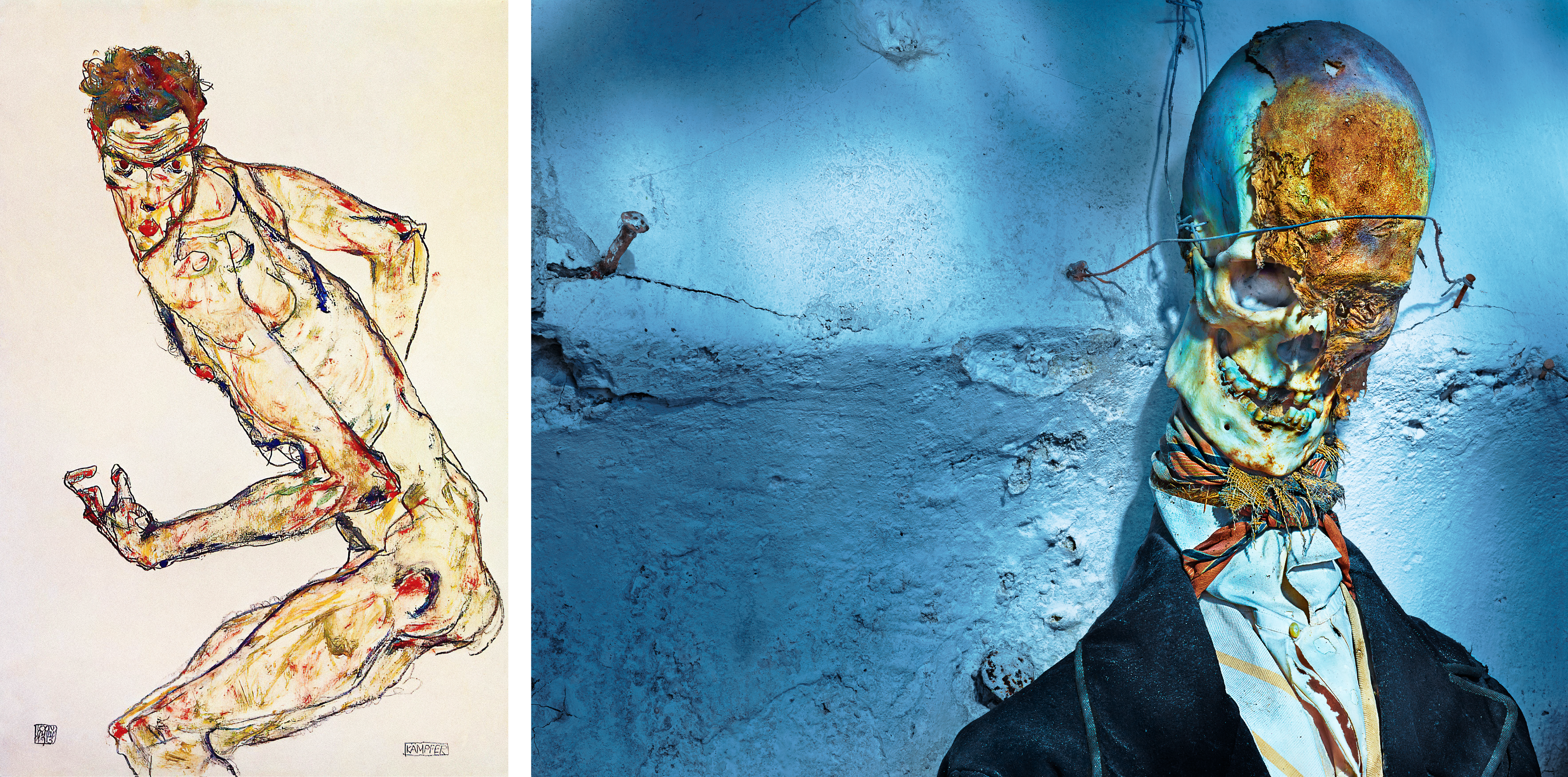
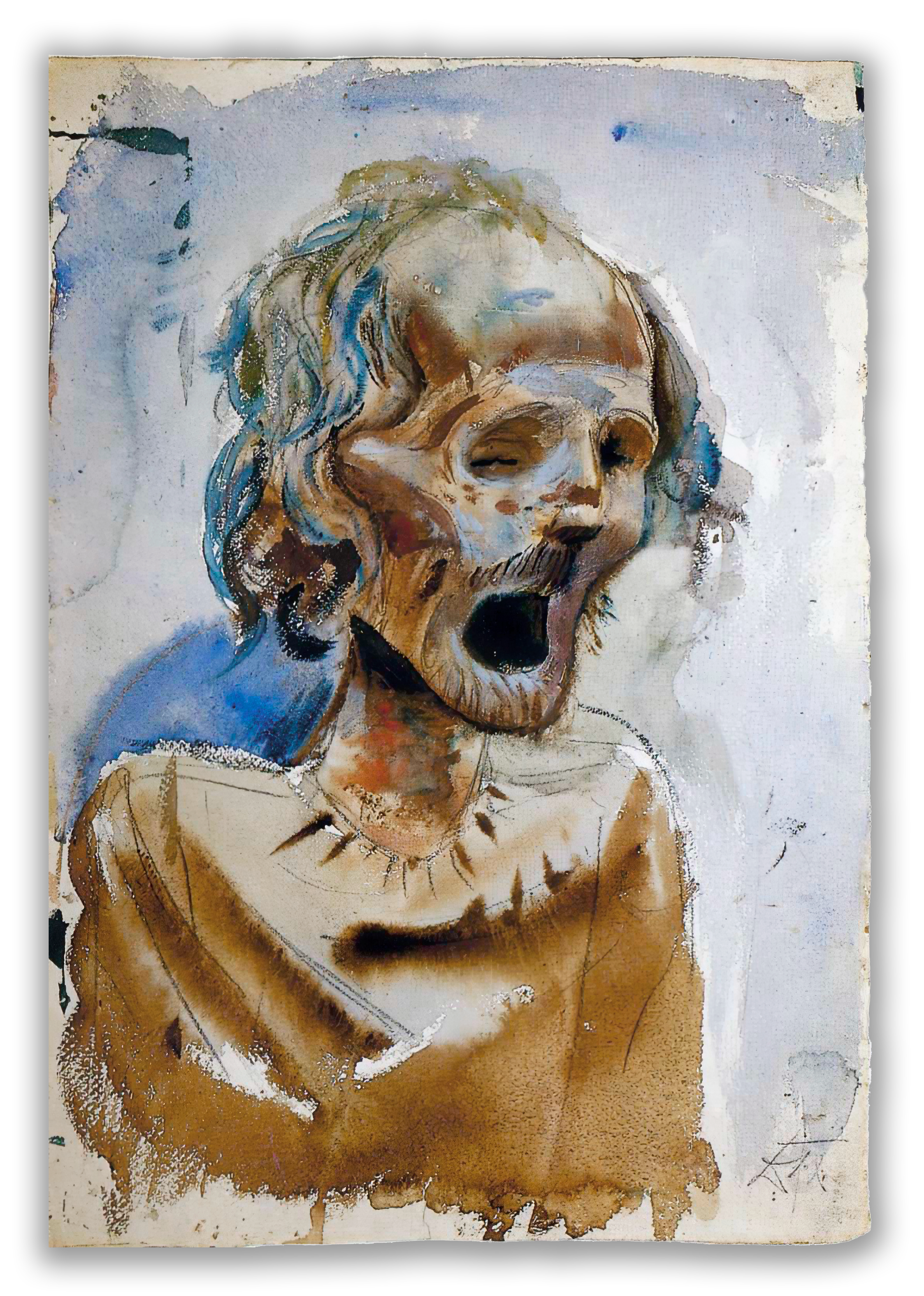
While any depiction of this place is sensational—and it has been documented by many artists and photographers, among them Richard Avedon, Peter Hujar and Sigmar Polke—Rolston sought to imbue each of his ‘portraits’ with distinctly theatrical import. He looked to the expressionist painting methods of the Austrian Egon Schiele as well as the German expressionist Otto Dix, who notably made a series of watercolors after visits to the catacombs in 1923, works that drew Rolston to the site in the first place.
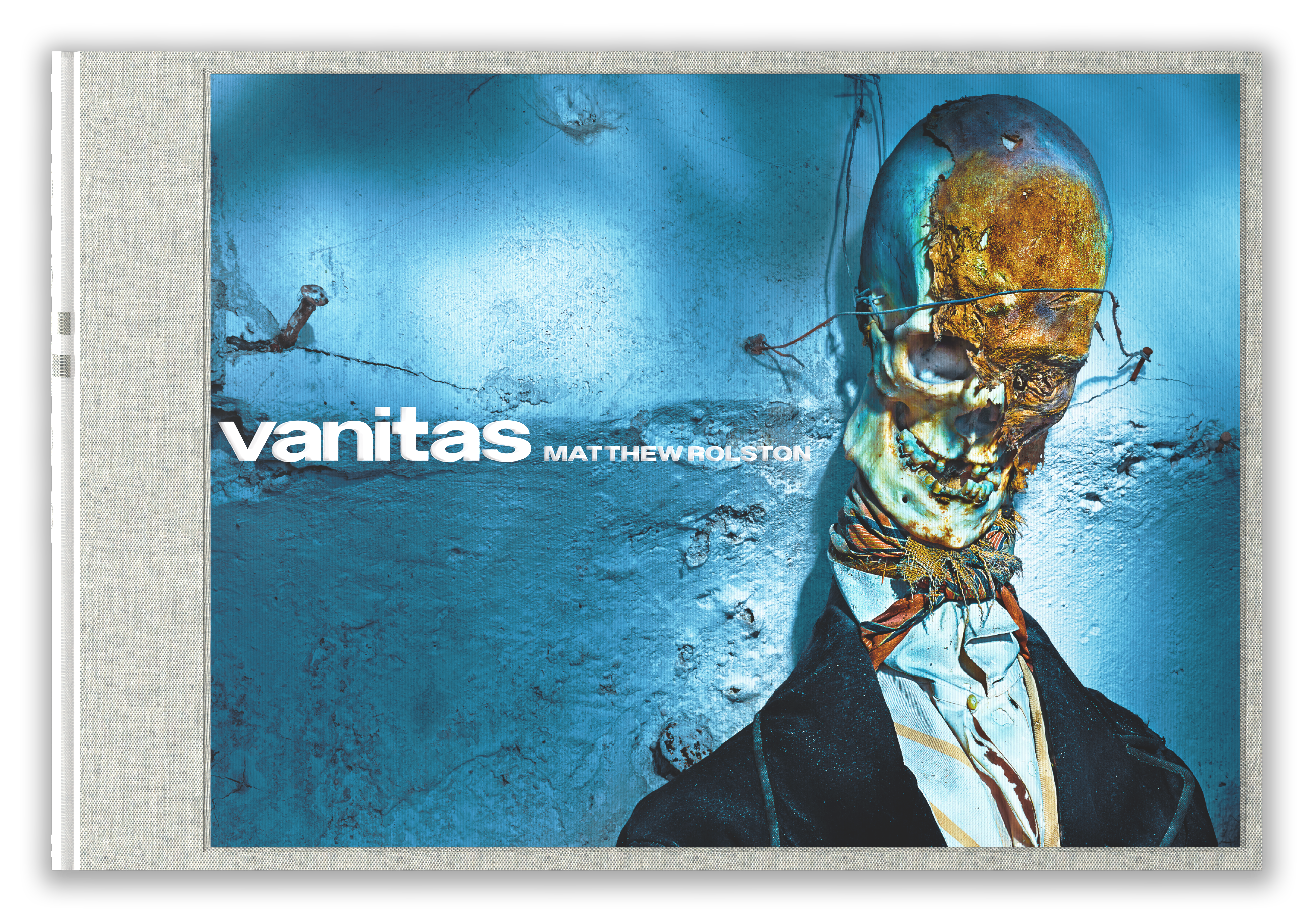
In a sumptuous monograph of 50 images published by Rolston with Nazraeli Press in 2025, photography historian and critic Philip Gefter writes in the volume’s opening essay, “Rolston’s Vanitas series—his photographs from the Capuchin Catacombs—is a confrontation with death as potent and mystifying as the truth itself can be when it is so unabashedly revealed.”
... Rolston leaves unanswered whether those he has photographed have found, through the mummification process, salvation in the afterlife. or whether that afterlife simply lives on vicariously through the viewer.
Philip Gefter
Photography historian and critic
“In Vanitas, Rolston leaves unanswered whether those he has photographed have found, through the mummification process, salvation in the afterlife, or whether that afterlife simply lives on vicariously through the viewer. What he firmly establishes, however, is a symmetry between photography and the human desire for immortality, something that connects with his past work constructing timeless vignettes of Hollywood icons.”
Rolston premiered the series in the fall of 2025 at his alma mater ArtCenter College of Design in Pasadena, California, coinciding with the conferring of the College’s Lifetime Achievement Award, honoring prominent alumni. In 2025, it was simultaneously awarded to Rolston and multimedia artist Diana Thater (MFA 90). Thater and Rolston joined photographers Lee Friedlander (DHL 05) and Hiroshi Sugimoto (BFA 74), and multimedia artist Doug Aitken (BFA 91) among other prior recipients.
Rolston is acclaimed for his highly regarded editorial and commercial work in photography and video. Since 2015, he has taught an original course of his own devising at the College, an outgrowth of a scholarship program he established there in 1998.
The Vanitas project, a multi-venue exhibition, was released sequentially at three other locations in Los Angeles. Large scale, unique prints were shown at Fahey/Klein Gallery, Leica Gallery and the Daido Moriyama Museum/Daido Star Space where Nazraeli’s Chris Pichler and Arcana: Books on the Arts’ owner Lee Kaplan debuted the publication of the monograph.
For many years, Rolston has pursued personal fascinations for his art: Talking Heads: The Vent Haven Portraits, his 2010 portraits of vintage ventriloquist dummies from the Vent Haven Museum in Kentucky also brought the appearance of life to the inanimate.
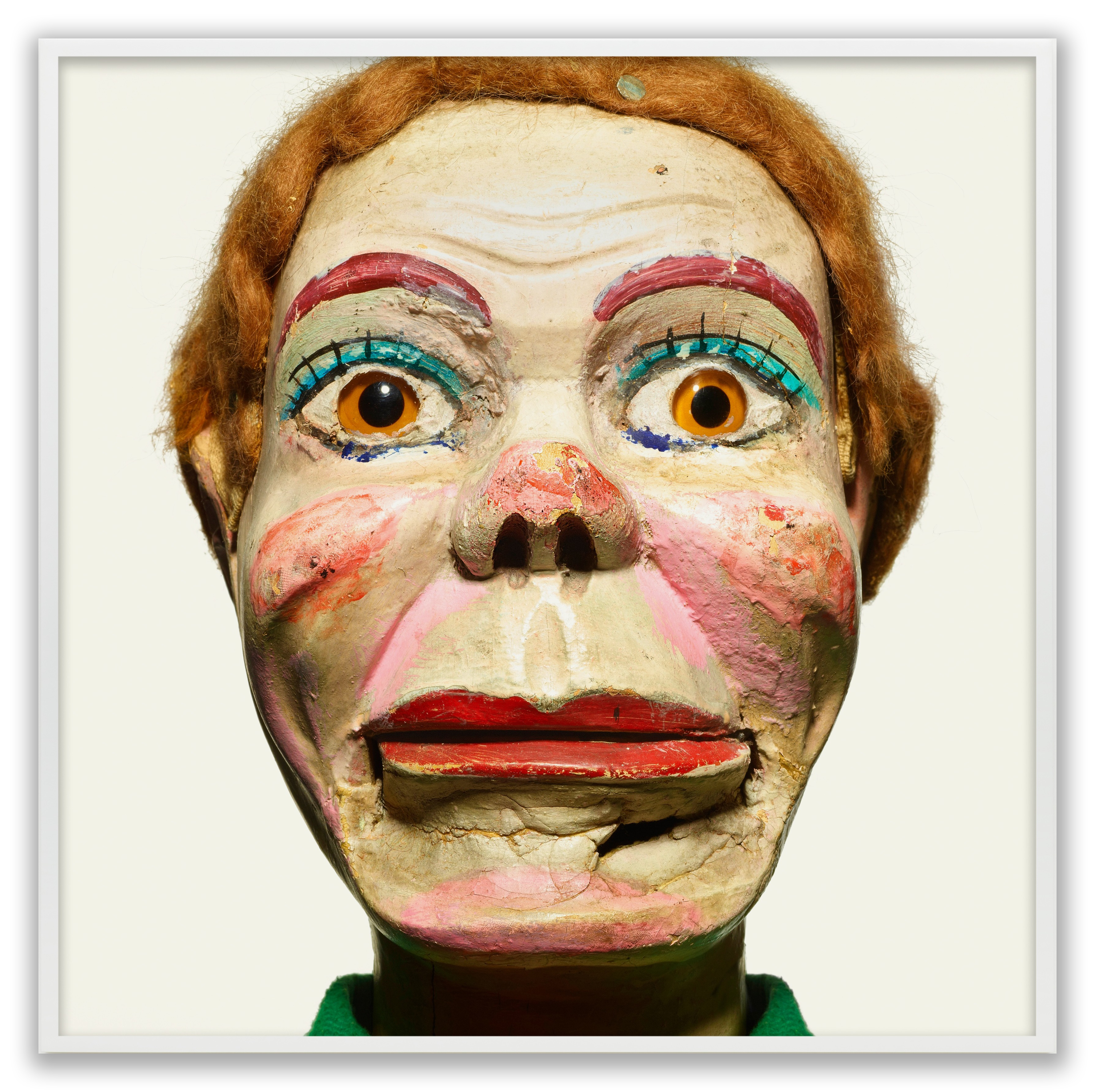
Another project, Art People, in 2017, explored masterworks of art history as theatrically reenacted by elaborately costumed and made-up volunteer performers in the historic Laguna Beach Pageant of the Masters. Rolston asks what we bring to our ways of seeing, through animating ventriloquist dummies or impersonations of works of art. And now, this. From dummies to mummies.
Vanitas is both a departure and a return. All of these series involve an elaborate commitment of time, technique and expense. Significantly, Rolston has largely confined the focus of his camera to expressions of emotion in the face, recognizing that people throughout history have created expression through artifice. Each of us wears a mask of our own creation and Rolston examines this impulse in both his professional and personal photography.
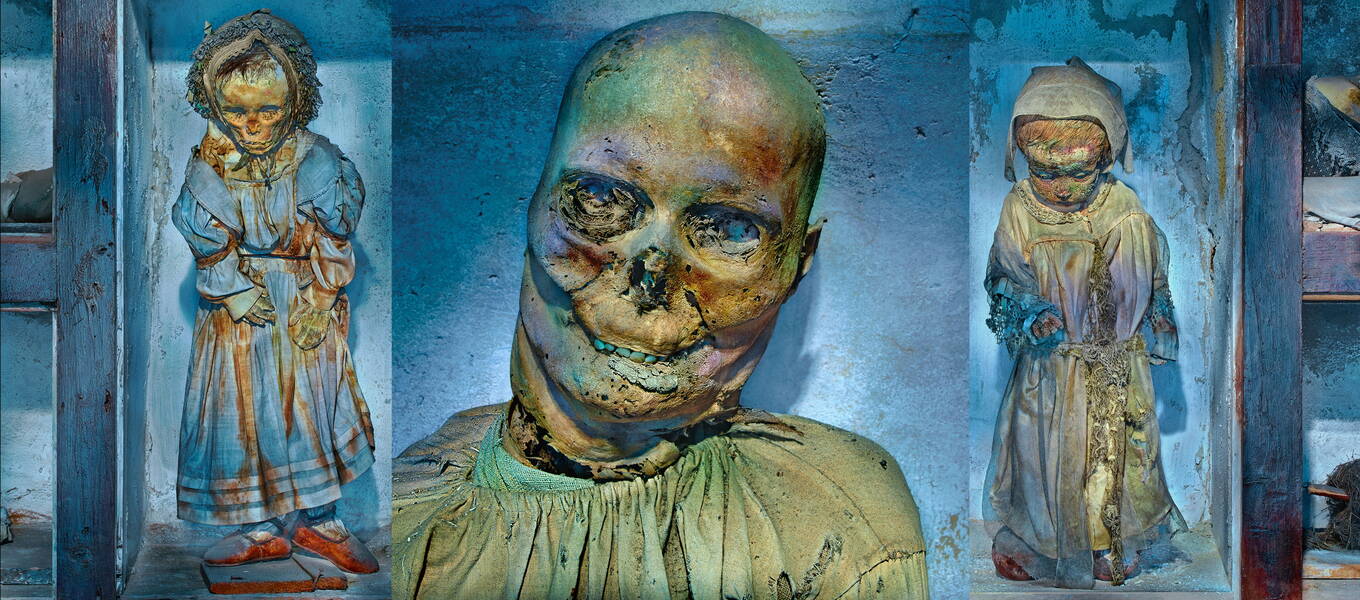
For example, his moving Triptych in the Style of an Altarpiece (2013) from Vanitas, exhibited at ArtCenter. The outer panels are comprised of large-format, full-length portraits of mummified children, one in a dress and bonnet, the other in robe and head covering, surrounded by partial views of dried and dressed corpses horizontally stacked in niches. The center panel, however, is an enlarged face, hairless, sightless; it seems to smile as it assumes the space usually reserved for a holy figure. “Hung together not unlike an altarpiece, I conceived this presentation as a visual and symbolic collision of the sacred and mundane, youth and elder age, beauty and the grotesque,” said Rolston.
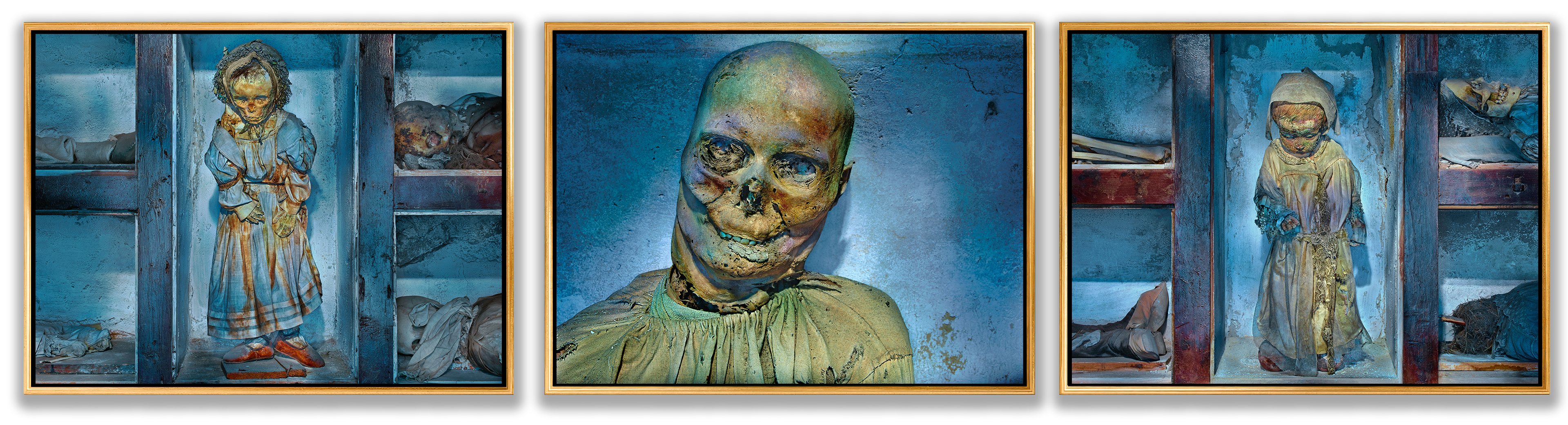
I conceived this presentation as a visual symbolic collision of the sacred and mundane, youth and elder age, beauty and the grotesque.
Matthew Rolston
Photographer, alumnus
Gilded frames, a choice inspired by those used by another of Rolston’s Vanitas touchstones, English painter Francis Bacon, add a Catholic intimation to the scene. “In my choice of color,” Rolston said, “I leaned into hues as vivid and evocative as those of a stained-glass church window.” His choice of dominant blue tones—in particular, a shade known as ‘Marian blue,’ one that carries significance in traditional Catholic dogma and display—was meant to imbue the images with a quality that conjures both the melancholy and the transcendent.
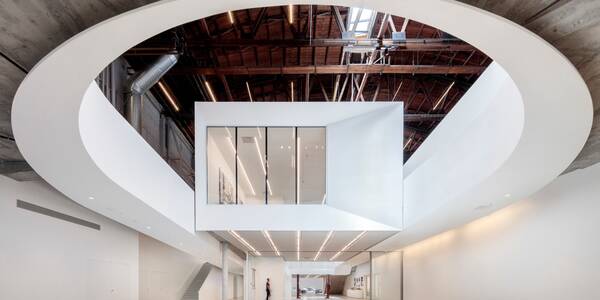
This triptych appeared to float on a sweeping, curved 18-foot-tall wall, painted black especially for Rolston’s installation, located in the ‘Oculus space’ of ArtCenter’s Mullin Transportation Design Center, the centerpiece of the building’s new interior designed by Darin Johnstone Architects. The space had never been used for the College’s exhibition programming and was chosen personally by ArtCenter President Karen Hofmann. Since viewers had to walk up a gently sloping ramp for intimate viewing, the piece appeared to hover in a celestial realm.
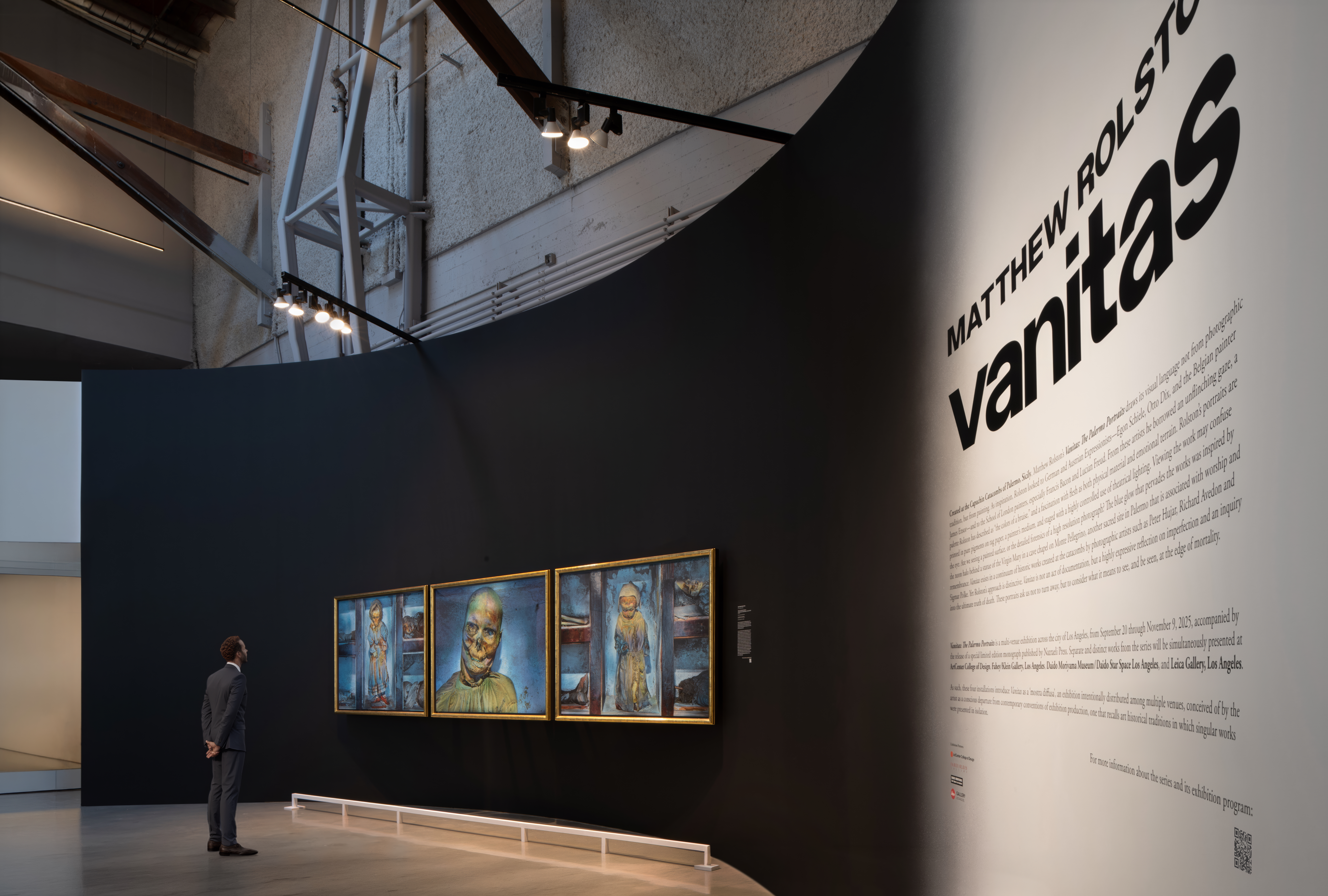
Suspended in the ample, curved and light-drenched space of the former wind tunnel, the stylized work, presented more in the style of painting than typical photography, conjures a spiritual setting, inviting contemplation.
Julie Joyce
Director, ArtCenter Galleries
“The Oculus in ArtCenter’s 950 Building was ideal for Matthew’s triptych from Vanitas,” Hofmann said. “Its distinctive architectural design perfectly accommodated the monumental scale of the work. Filled with natural light, free from visual distractions and accessible from two directions, the nature of the site encouraged quiet exploration, allowing Matthew’s hauntingly beautiful imagery to fully resonate with exhibition visitors. When I first saw the work installed, I knew it was the right decision.”
Julie Joyce, director of ArtCenter Galleries and the show’s curator, concurred. She wrote, “Suspended in the ample, curved and light-drenched space of the former wind tunnel, the stylized work, presented more in the style of painting than typical photography, conjures a spiritual setting, inviting contemplation.”
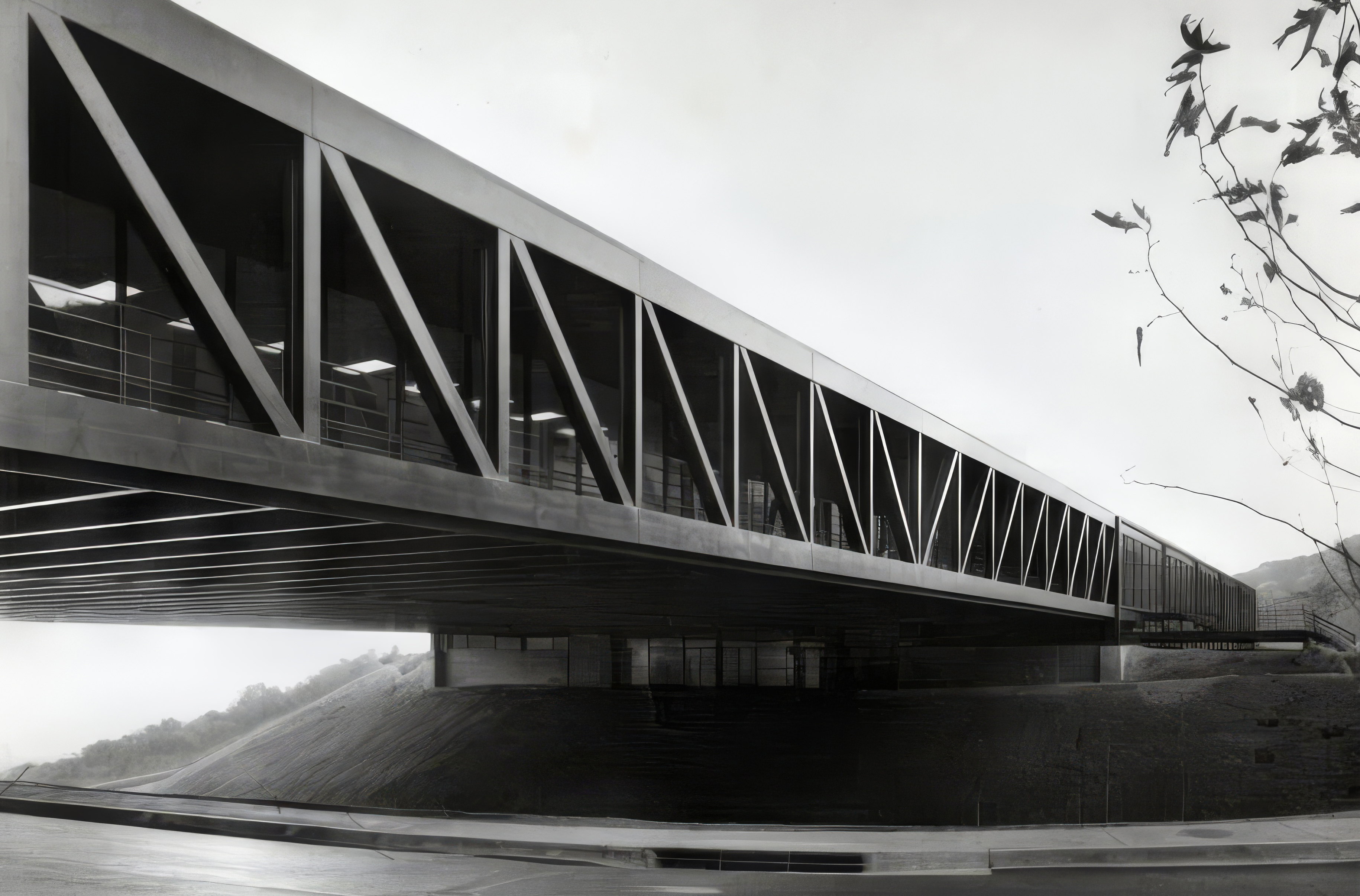
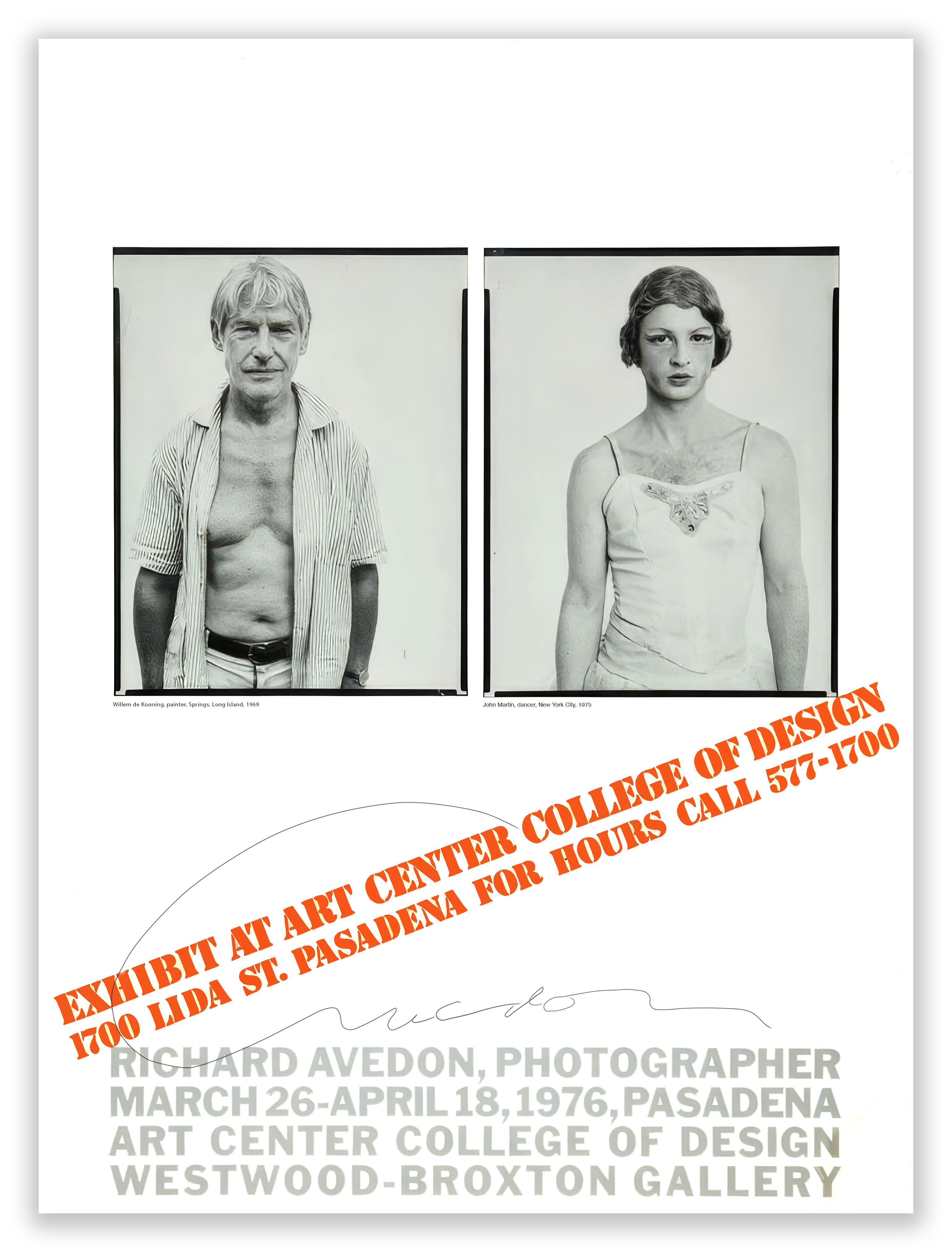
The occasion marked the 50th anniversary of ArtCenter’s formal exhibitions program, one that began in its iconic Hillside campus designed by architect Craig Ellwood in 1976. The building’s debut exhibition was of Richard Avedon’s mural-scaled photographs, images that had premiered at the Marlborough Gallery in New York the previous year. Avedon’s Portraits 1969-1975 was organized for ArtCenter by none other than then up-and-coming art dealer Larry Gagosian, who had recently begun to show photographs, including those of ArtCenter graduate (and later Lifetime Achievement Award honoree) Friedlander, at his Broxton Gallery in Westwood, California. The announcement poster for ArtCenter’s exhibition featured a diptych of Avedon’s controversial bare-chested portrait of the aging painter Willem de Kooning juxtaposed with the hirsute dancer John Martin of the drag dance company Les Ballets Trockadero de Monte Carlo, depicted in make-up over stubble, a Swan Lake cygnet costume, and a crude wig. Avedon, the reigning titan of flattering fashion photography, was beginning to confront the contradictions of human experience in this body of work.
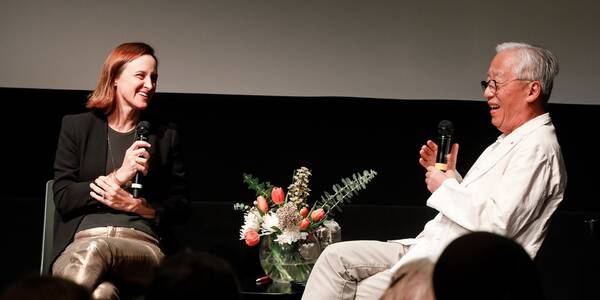
"Guess what my joy of that very first semester was?” said Rolston. “Well, the visiting artist was none other than Richard Avedon. He himself, my great hero since childhood, was at ArtCenter with a major exhibition of his rather acerbic portraiture. Avedon spoke to the student body in an address, including a Q&A.”
“Everyone went to the photo studio, the entire school, to listen to his words,” continued Rolston. “He was interviewed by Charlie Potts, who graduated in 1940 and was then head of the photo department. Avedon was at the College to interact with students, including me. And it was incredible. Wow! What a beginning for my formal ArtCenter education.”
It was Rolston’s first year at ArtCenter. The show and talk by the legendary figure led him to transfer his allegiance from traditional drawing and painting to photography and filmmaking. Fifty years later, it is not lost on Rolston that Avedon himself was shifting his own priority from commercial assignments to more personal creative work. This included photographing his aging father as he was wasted by cancer and looking as skeletal as a cadaver.
Gefter wrote of Rolston’s Vanitas: “A particular influence is drawn from Avedon’s images of his father Jacob’s final days, showing not just his father’s compromised health, but how the idea of death itself is fundamentally rooted in the world and the minds of the living. Rolston follows in these precedents, and reconciles his own past within the greater lineage of photography, to portray essential truths that go far beyond the framed image.”
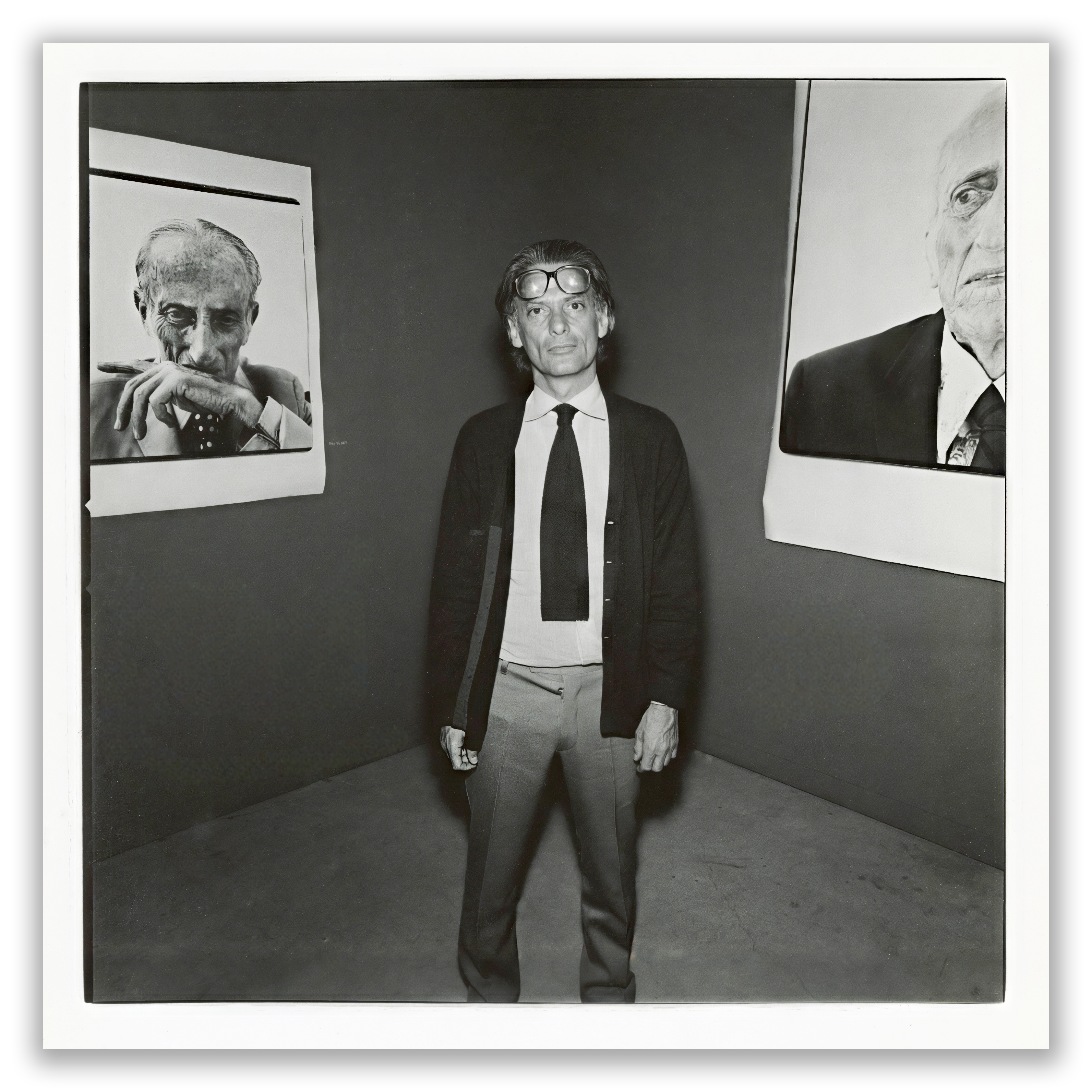
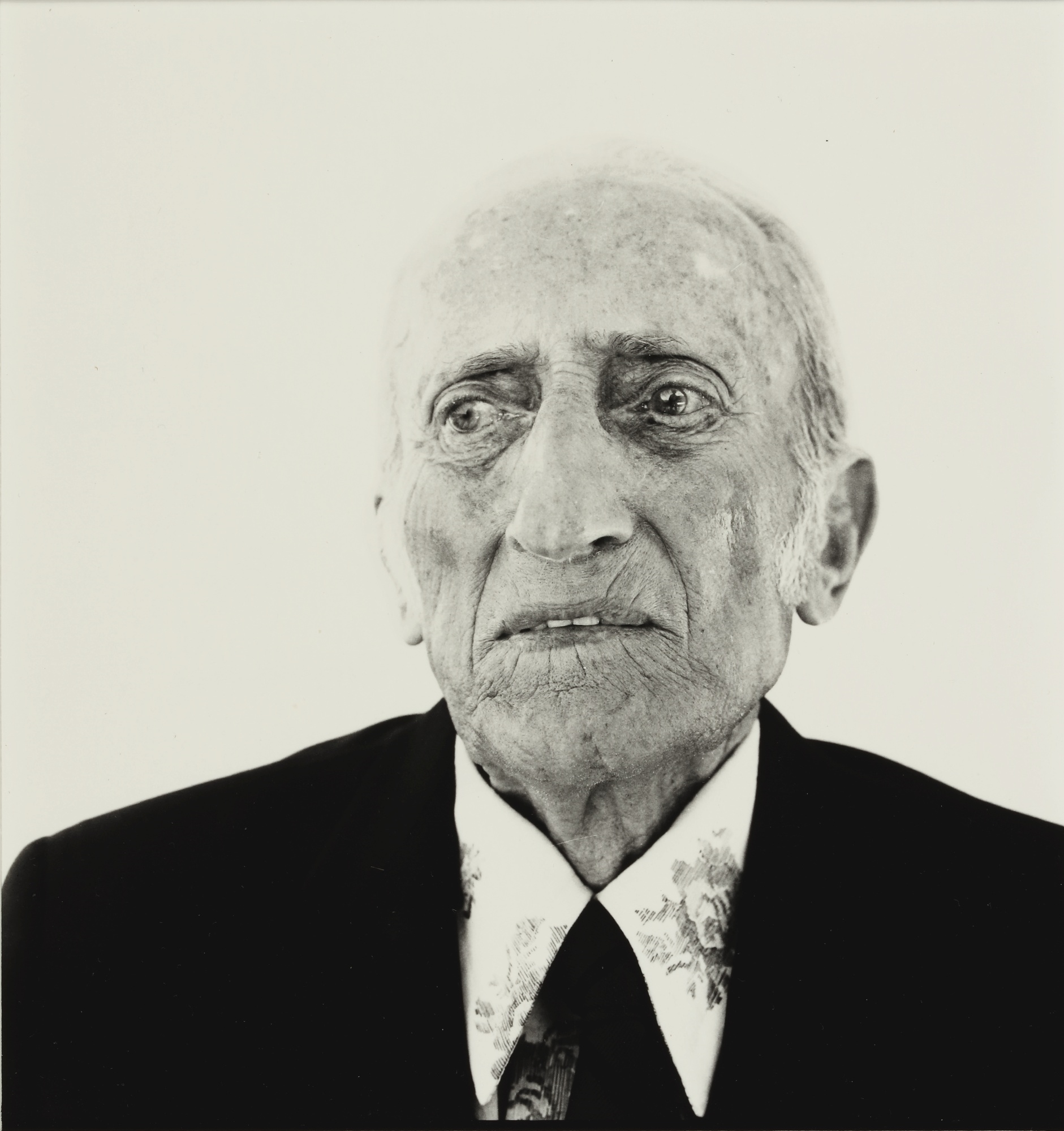
Rolston’s own father passed away as he embarked on the completion of the Vanitas project, bringing the jarring sense of death even closer.
The 17th-century still life paintings known as “vanitas,” the project’s namesake, were meant to bring attention to the impermanence of material wealth and the seeking of status—a warning to avoid attachment and to meditate on the hereafter. Uplifted by the strange beauty of these still lifes, we are reminded of life’s brevity and sorrow. After all, the Latin term, memento mori, is a reminder of our mortality that translates, ‘remember you must die’.
In the context of a ‘vanitas’ artwork, meditating on mortality is an exercise in the pursuit of spiritual growth: to live a life more worthy.
Matthew Rolston
Photographer, alumnus
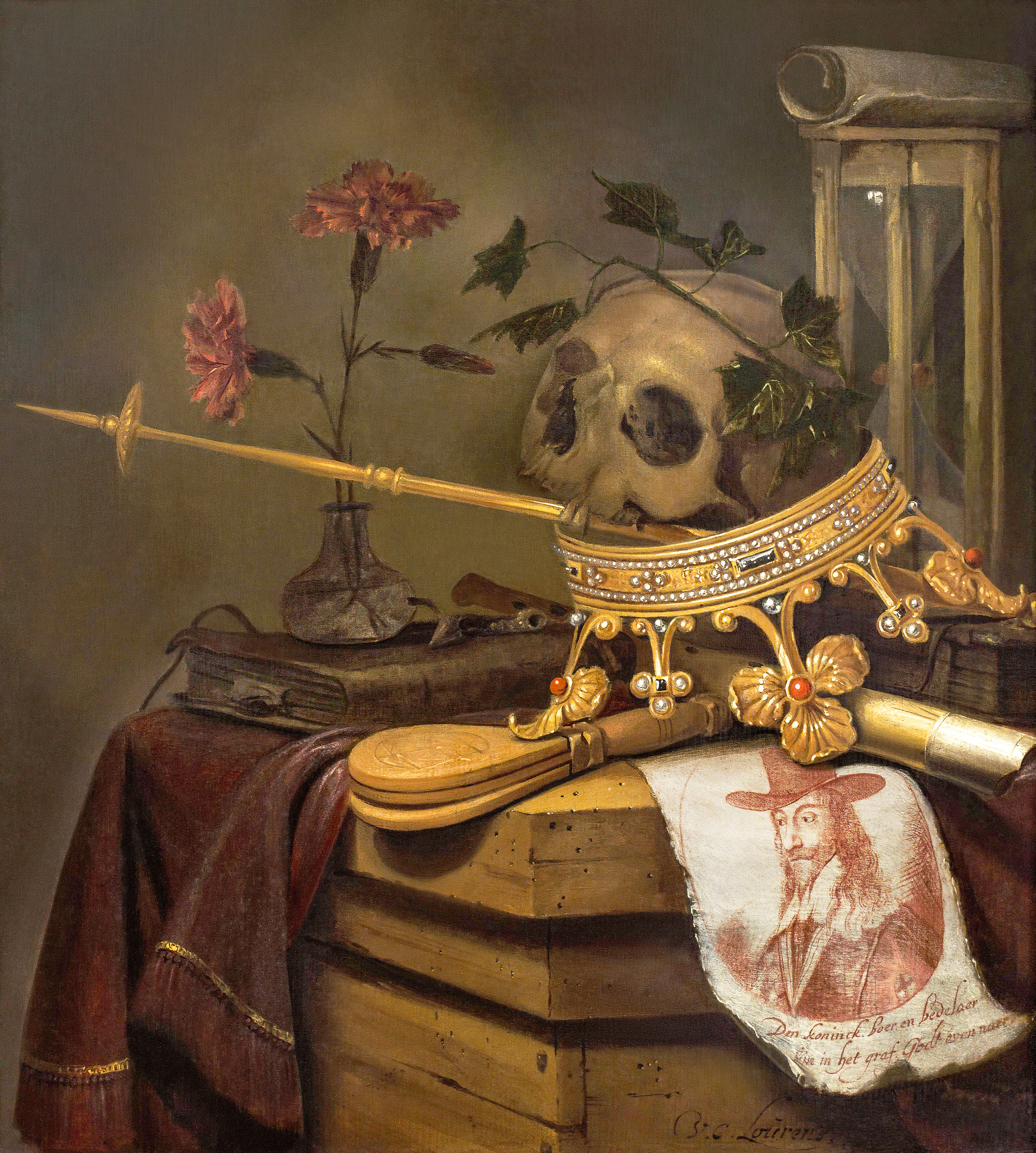
Rolston said, “To our modern eyes, the Dutch genre depictions of skulls, dying flowers and worldly riches may appear random, but these objects are deeply imbued with meaning. Each item symbolizes the transience of worldly pleasures—the fragility and ephemerality of life. In the context of a ‘vanitas’ artwork, meditating on mortality is an exercise in the pursuit of spiritual growth: to live a life more worthy.”
In his monograph, Rolston included an excerpt from cultural anthropologist Ernest Becker’s seminal 1976 work The Denial of Death: “Humans are literally split in two: we have an awareness of our own splendid uniqueness in that we stick out of nature with a towering majesty, and yet we go back into the ground a few feet in order blindly and dumbly to rot and disappear forever.”
This is a dilemma to be acknowledged by all, but artists address it in their art. Rolston said, “The work attempts to demonstrate that the human experience exists in a long, fragile yet miraculous, borderless and unified continuity and reflects the subjectivity of our relationship to time,” emphasizing what he calls the “unity among all humanity in the face of existential mysteries.”
Gefter’s final words in his Vanitas essay sum up Rolston’s series, “Observing [the mummies’] decay only underscores the adage from The Book of Common Prayer, ‘ashes to ashes, dust to dust.’ No one is immune. The idiom might be amended to reflect the arc of discovery from Rolston’s earlier Hollywood glamour portraits to the mummies in the Vanitas series: ‘Ashes to ashes, stardust to dust.’”
For more information about Matthew Rolston’s Vanitas, please visit the project's website.